
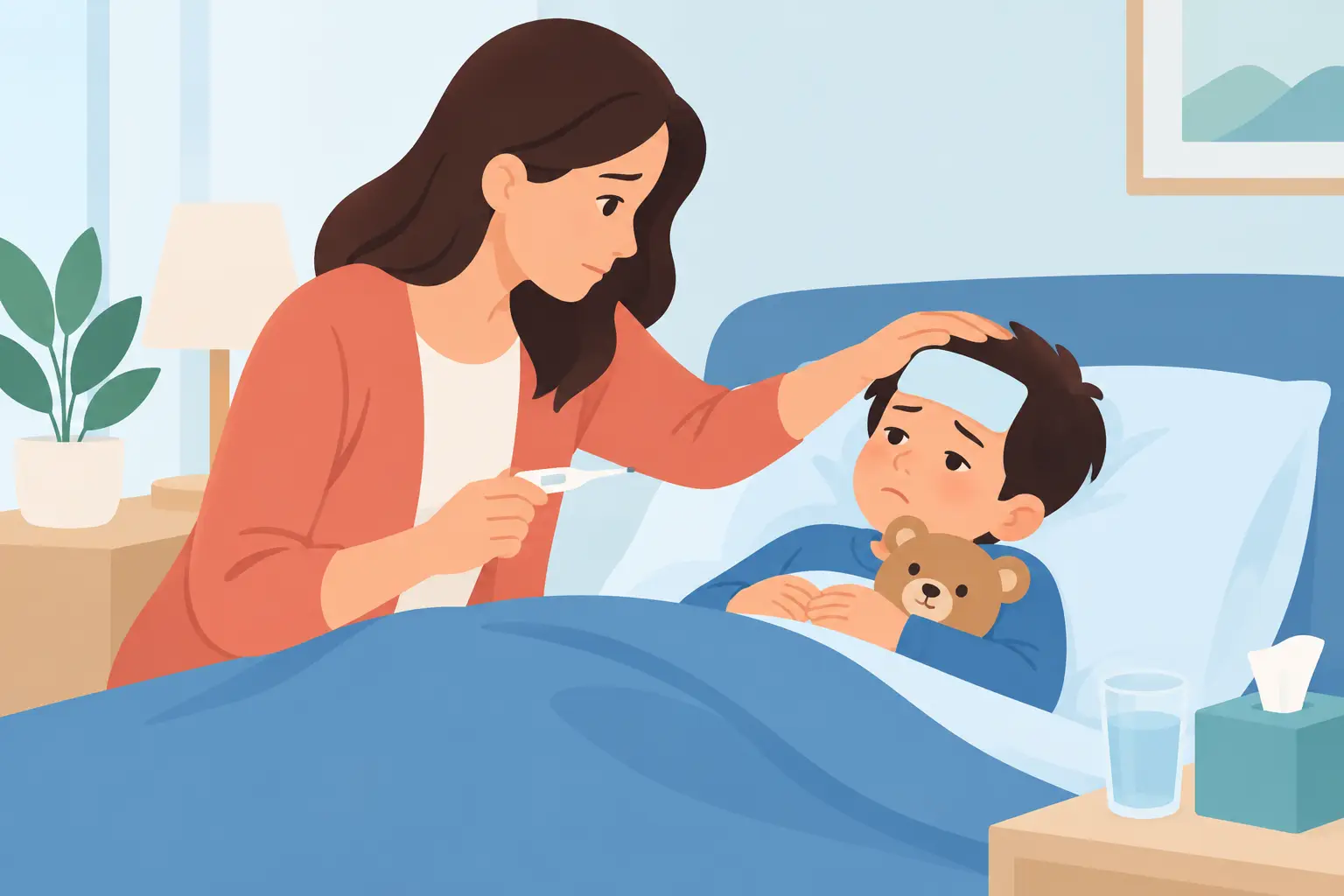
A fever can make a child look and feel miserable, especially in the middle of the night when a thermometer reading seems more alarming than it did an hour ago. The question of when parents should worry about a fever is less about one number alone and more about a child’s age, symptoms, behavior, and how long the fever lasts.
Fever is the body’s response to infection or inflammation. In children, it is often caused by a virus and improves with time, fluids, rest, and comfort care. Still, some fevers need prompt medical attention. Knowing the difference can help you act quickly without unnecessary panic.
What Counts as a Fever in Children?
A temperature of 100.4°F (38°C) or higher is generally considered a fever. How you take the temperature matters. A rectal temperature is most accurate for infants and young toddlers. Oral readings can be reliable for older children who can hold the thermometer correctly, while forehead and ear thermometers can be useful but may occasionally read too high or too low.
If a reading does not match how your child looks or feels, wait a few minutes and check again using the thermometer as directed. Do not judge the seriousness of an illness by temperature alone. A child with a 103°F fever who is drinking, talking, and improving after fever medicine may be less concerning than a child with a lower fever who is unusually sleepy, struggling to breathe, or refusing all fluids.
When Should Parents Worry About a Fever by Age?
Age is one of the most important factors in deciding what to do next. Young infants have immature immune systems and can become seriously ill without showing many obvious signs at first.
Babies younger than 3 months
A rectal temperature of 100.4°F or higher in a baby younger than 3 months requires immediate medical evaluation. Call the child’s pediatrician right away or seek emergency care as directed. Do not try to manage a fever in a newborn at home with medication unless a clinician has specifically told you to do so.
Babies 3 to 6 months
Call a medical provider promptly for a baby in this age group with a fever of 102°F or higher, or any fever accompanied by poor feeding, repeated vomiting, unusual irritability, a weak cry, decreased alertness, or fewer wet diapers. A baby who seems significantly ill needs care even if the temperature is not very high.
Children older than 6 months
For older babies and children, behavior and accompanying symptoms become especially useful guides. A same-day evaluation is a good idea when a fever reaches 104°F, lasts more than three days, keeps returning, or comes with symptoms that suggest more than a routine cold.
A child with chronic medical conditions, a weakened immune system, or ongoing treatment that affects immunity may need earlier evaluation. When in doubt, call your child’s pediatrician or seek care from a qualified medical provider.
Fever Warning Signs That Need Emergency Care
Call 911 or go to the emergency room if a child with a fever has any of the following symptoms:
- Trouble breathing, blue or gray lips, severe wheezing, or ribs pulling in with each breath
- Difficulty waking up, confusion, extreme weakness, or a child who is not responding normally
- A stiff neck, severe headache, sensitivity to light, or a seizure that lasts longer than five minutes
- A purple or red rash that does not fade when pressed, especially if the child appears very ill
- Signs of severe dehydration, such as no urine for eight hours or more, a very dry mouth, no tears when crying, or sunken eyes
- Severe or worsening pain, including intense stomach pain, chest pain, or a severe headache
Trust what you are seeing. Parents often recognize when their child is acting very differently from normal. If your child looks seriously ill, do not wait for a temperature to rise further before seeking help.
When Urgent Care Can Help With a Child’s Fever
Many childhood fevers do not require an emergency room visit, but they may still deserve same-day medical attention. Urgent care can often evaluate children with fever and symptoms such as ear pain, sore throat, persistent cough, congestion, sinus pain, painful urination, vomiting, diarrhea, or a new rash.
A clinician can examine your child, check oxygen levels and hydration, and determine whether testing may help identify the cause. Depending on symptoms, this might include testing for flu, COVID-19, strep throat, or a urinary tract infection. On-site testing can help families get answers sooner and understand the right next step.
For families near Apollo Beach or Seffner, Express Care of Tampa Bay provides walk-in evaluation for many non-emergency childhood illnesses. No appointment is needed when your child needs prompt attention, but emergency symptoms should always be treated in an emergency department.
Fever and Common Childhood Illnesses
Cold and flu viruses are frequent fever causes, particularly when children are in school, daycare, or around siblings. A fever may also occur with ear infections, strep throat, pneumonia, stomach viruses, urinary tract infections, and some childhood rashes.
Symptoms can offer clues, but they do not confirm a diagnosis. For example, a sore throat with fever can be viral or bacterial. Vomiting and fever can be a stomach virus, but abdominal pain that worsens or settles on the lower right side needs prompt evaluation. A cough may be part of a common cold, but fast breathing, chest pain, or low energy can signal a more serious respiratory illness.
Children can also develop fever after routine vaccinations. This is usually mild and short-lived, though parents should contact the child’s provider for guidance if the fever is high, persists, or the child seems unwell.
How to Care for a Child With Fever at Home
If your child is alert, breathing comfortably, and drinking fluids, home care may be appropriate while you monitor symptoms. The goal is comfort and hydration, not necessarily bringing the temperature all the way back to normal.
Offer frequent sips of water, breast milk, formula, or an oral rehydration drink if vomiting or diarrhea is present. For older children, popsicles, soup, and water-rich foods can help. Watch for regular urination, tears when crying, and improving energy between fever spikes.
Dress your child in lightweight clothing and keep the room comfortably cool. Avoid ice baths, alcohol rubs, and bundling a child in heavy blankets. These approaches can cause discomfort or make temperature control harder.
Acetaminophen or ibuprofen may help a child feel more comfortable when used according to the product label and the child’s weight. Ibuprofen is generally for children 6 months and older. Do not give aspirin to children or teenagers because of the risk of Reye’s syndrome. If you are unsure which medicine or dose is appropriate, ask a pharmacist or medical provider before giving it.
What About Febrile Seizures?
Some children between 6 months and 5 years old can have febrile seizures during a rapid rise in temperature. They are frightening to witness and often involve shaking, stiffening, or loss of awareness. Most febrile seizures are brief and do not cause long-term harm, but a child should be medically evaluated after a first seizure.
During a seizure, place your child on their side on a safe surface and move objects away from them. Do not place anything in their mouth or try to hold them down. Time the seizure. Call 911 if it lasts more than five minutes, breathing is difficult, your child does not wake up normally afterward, or you are concerned for any reason.
Keep the Focus on Your Child, Not Just the Number
A thermometer provides useful information, but your child’s overall condition tells the fuller story. Pay attention to breathing, hydration, alertness, pain, and whether your child has periods of playing, talking, or responding normally. Write down temperatures, medications, and symptoms if you are heading in for care.
If your child’s fever is accompanied by concerning symptoms or your instincts say something is not right, prompt evaluation can provide clarity and peace of mind. You know your child best, and getting help early is always a reasonable choice.