
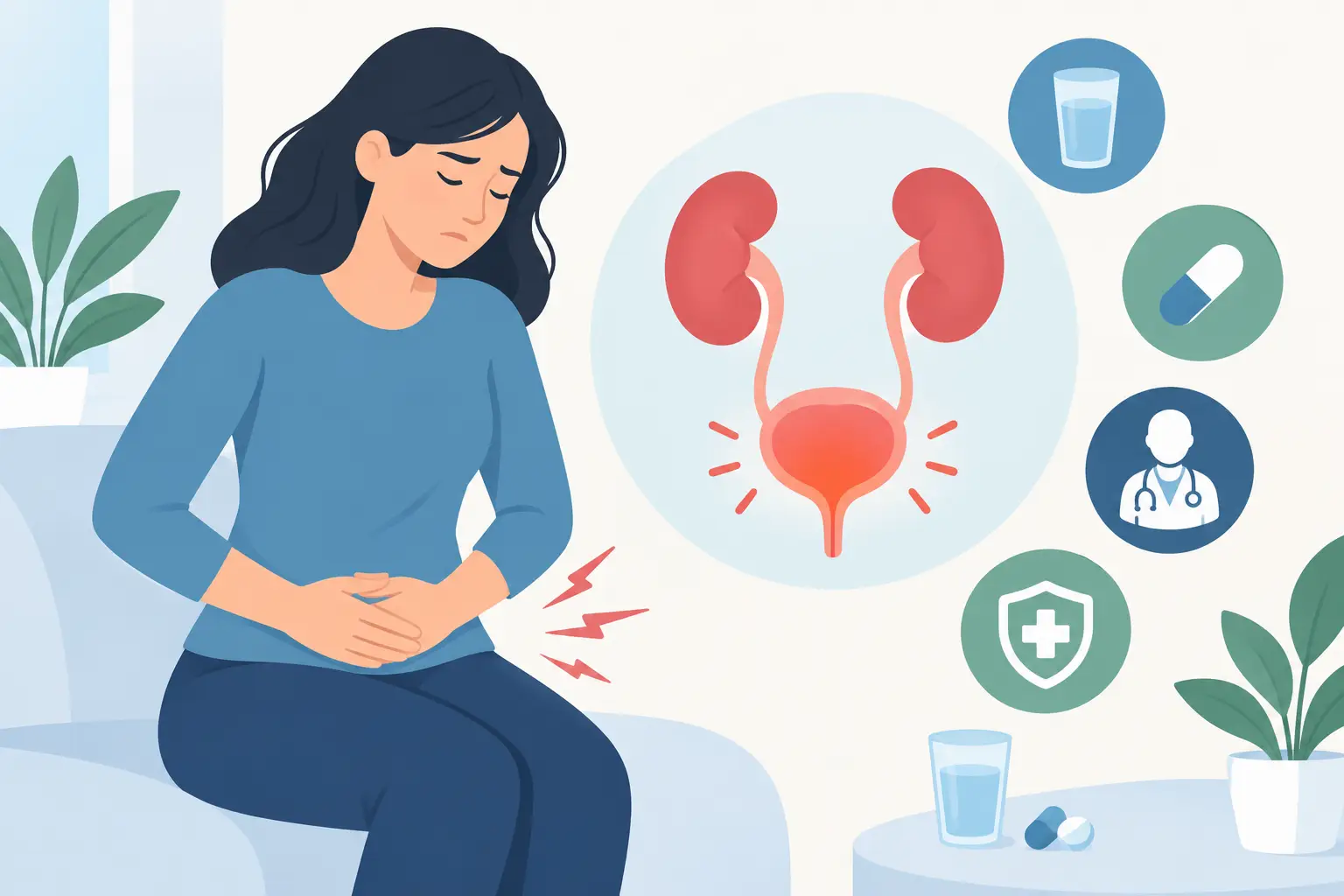
Burning when you urinate, a constant urge to go, or cloudy, strong-smelling urine can make an ordinary day miserable fast. This guide to UTI treatment explains what may be causing those symptoms, how urgent care can help, and when it is safer to seek medical attention right away.
A urinary tract infection, often called a UTI, occurs when bacteria enter part of the urinary system. Most commonly, the infection affects the bladder or urethra. UTIs are common, particularly among women, but men, children, and older adults can get them too. Prompt evaluation matters because symptoms can overlap with other conditions, and an untreated infection can sometimes spread to the kidneys.
Recognizing Common UTI Symptoms
A bladder infection often causes pain or burning during urination, frequent urination, and a feeling that you need to urinate even when very little comes out. You may also notice pressure or discomfort in the lower abdomen, urine that looks cloudy, or urine with a stronger odor than usual.
Not every urinary symptom means a UTI. Vaginal irritation, sexually transmitted infections, kidney stones, prostate concerns, dehydration, and some medications can cause similar discomfort. That is why it is best not to assume you need an antibiotic based on symptoms alone, especially if this is your first infection or your symptoms feel different from past UTIs.
Symptoms can look different in older adults and young children. A child may have new bed-wetting, fever, fussiness, stomach pain, or vomiting. Older adults may have less typical symptoms, but sudden confusion, weakness, or a major change in behavior should be evaluated promptly, particularly when paired with urinary concerns or fever.
A Guide to UTI Treatment Starts With Testing
A clinician will ask about your symptoms, medical history, allergies, medications, pregnancy status when relevant, and whether you have had UTIs before. In many cases, a urine sample is tested on site for signs of infection, such as white blood cells, nitrites, or blood.
Sometimes the sample is sent for a urine culture. A culture can identify the specific bacteria causing the infection and help determine which antibiotic is likely to work best. This is especially useful for recurrent UTIs, symptoms that have not improved with prior treatment, pregnancy, infections in men, or cases where kidney involvement is a concern.
Testing is also helpful because treating the wrong condition with antibiotics can create problems. Antibiotics do not treat viral illnesses, yeast infections, or every cause of urinary discomfort. Taking them when they are not needed may cause side effects and contribute to antibiotic resistance.
Antibiotics for Confirmed or Suspected UTIs
For many uncomplicated bladder infections, treatment includes a short course of oral antibiotics. The medication choice and treatment length depend on your symptoms, urine test results, allergies, medical history, local resistance patterns, and whether you are pregnant or have other health conditions.
Take the medication exactly as prescribed, even if you feel better after a day or two. Stopping early can allow bacteria to remain and symptoms to return. If a urine culture later shows that a different antibiotic is a better match, your clinician may contact you with updated treatment instructions.
Antibiotics can cause side effects, including nausea, diarrhea, rash, or yeast infections. Call the clinic if you develop a rash, swelling, trouble breathing, severe diarrhea, or any new symptom that concerns you. Trouble breathing, facial swelling, or signs of a severe allergic reaction require emergency care.
Many patients begin to feel better within 24 to 48 hours after starting the right treatment. If symptoms are not improving after that timeframe, are getting worse, or return soon after treatment ends, contact a medical provider. You may need a culture, a different medication, or evaluation for another cause.
Comfort Measures While You Recover
Medication treats the infection when antibiotics are appropriate, but a few practical steps can make recovery more comfortable. Drink water regularly unless you have been told to limit fluids for a medical reason. Staying hydrated can help dilute urine and may make urination less uncomfortable.
Avoid bladder irritants for a few days if they worsen your symptoms. Coffee, alcohol, carbonated beverages, and spicy foods can increase urgency or irritation for some people. A heating pad on the lower abdomen may ease cramping or pressure. Over-the-counter pain relievers may also help when they are safe for you to take.
Some nonprescription urinary pain relief products can temporarily reduce burning. These products do not cure a UTI, and they can change the color of urine. Ask a clinician or pharmacist whether they are appropriate for you, particularly if you are pregnant, take prescription medications, or have kidney disease.
Cranberry products are often discussed for urinary health. They may be helpful for some people who get recurrent infections, but they are not a substitute for medical evaluation or antibiotics when an infection is present. If symptoms are significant, do not wait several days to see whether a supplement works.
When a UTI Needs Urgent or Emergency Care
A simple bladder infection can often be evaluated at urgent care, but some symptoms need more immediate attention. Kidney infections can become serious and may require stronger treatment. Seek same-day medical care if you have fever, chills, nausea, vomiting, pain in your side or back below the ribs, or worsening lower abdominal pain.
You should also be evaluated promptly if you are pregnant, male, immunocompromised, have diabetes that is not well controlled, have kidney disease, use a urinary catheter, or have a history of kidney stones. These situations can change the treatment plan and increase the chance of complications.
Go to an emergency department or call 911 for severe weakness, fainting, confusion, inability to keep fluids down, severe pain, trouble breathing, or signs of sepsis such as fever with a racing heart, rapid breathing, or feeling suddenly very ill. Urgent care is designed for non-life-threatening concerns, while emergency services are the right choice for severe symptoms.
Can a Virtual Visit Help With UTI Symptoms?
For adults with familiar, uncomplicated symptoms and no warning signs, a same-day telehealth visit may be a convenient starting point. A clinician can review your symptoms, discuss your history, and determine whether testing or an in-person exam is needed.
Telehealth is not the best fit for every possible UTI. In-person evaluation is often preferred for fever, back or side pain, vomiting, pregnancy, symptoms in children, recurrent infections, blood in the urine, or symptoms that could be caused by an STI or another condition. The goal is not simply to prescribe medication quickly. It is to make sure you receive the right care for what is causing your symptoms.
Preventing Future UTIs
No prevention plan works perfectly for everyone, but a few everyday habits may lower your risk. Drink adequate fluids, do not hold urine for long periods, and urinate after sexual activity when possible. Wipe from front to back after using the restroom, and avoid fragranced sprays, douches, or harsh products that can irritate the genital area.
If you have recurring infections, keep track of when they happen and what symptoms you experience. Recurrence after sexual activity, menopause-related changes, incomplete bladder emptying, or other health factors may affect the prevention options a clinician recommends. Repeated antibiotic treatment without testing is not always the best answer.
When urinary symptoms disrupt your day, you do not have to wait weeks for a primary-care appointment. Express Care of Tampa Bay can provide prompt evaluation, urine testing, and treatment for many non-emergency UTI concerns with walk-ins welcome. Getting checked early can bring relief sooner and help protect you from complications.