
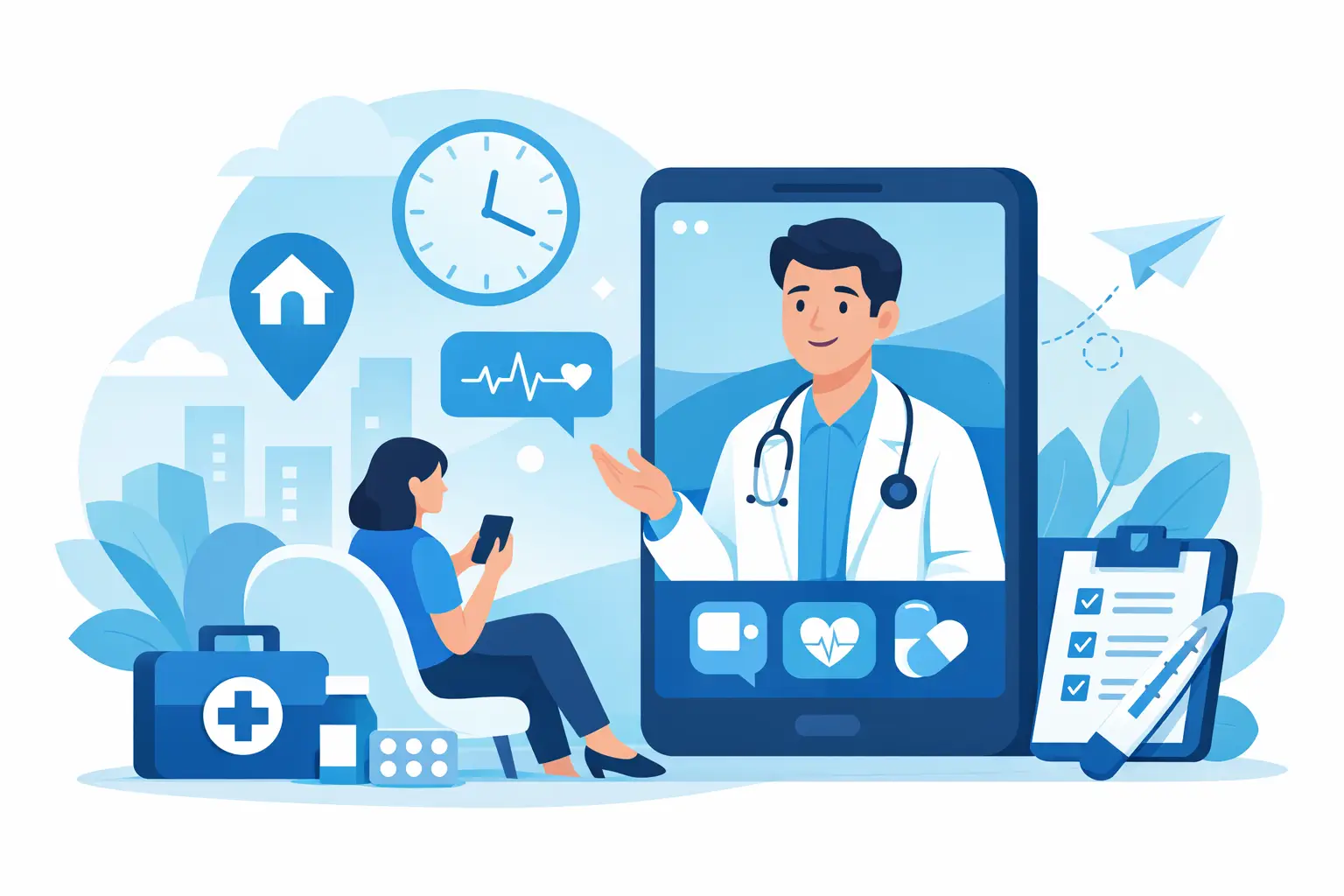
A sore throat that starts during a busy workday. A child with cold symptoms after school. Burning with urination when your primary care office cannot see you for several days. A same day virtual doctor visit gives many Tampa Bay patients a practical way to speak with a medical provider from home, work, or wherever they have a private place and internet access.
Virtual care is not meant to replace emergency treatment or every in-person exam. It is a convenient option for many non-life-threatening concerns when you need timely guidance, a clinical evaluation, and clear next steps without sitting in a waiting room.
When a Same Day Virtual Doctor Visit May Help
A virtual visit can be a good starting point when your symptoms are straightforward, you can clearly describe what is happening, and you do not appear to need hands-on testing or immediate imaging. During the visit, the provider will ask about your symptoms, health history, medications, allergies, and any recent exposures that may affect your care.
Common concerns that may be appropriate for telehealth include cold and flu symptoms, cough, sore throat, sinus pressure, seasonal allergies, pink eye symptoms, nausea, vomiting, diarrhea, minor skin concerns, and possible urinary tract infection symptoms. Virtual care may also help with follow-up questions or determining whether an in-person evaluation is needed.
For families, this can be especially useful when a child develops mild symptoms outside of a primary care provider’s normal availability. For working adults, it can reduce the time spent arranging transportation, taking time away from work, or waiting for an appointment opening.
The right option depends on your symptoms. A video visit allows the provider to observe certain visible concerns and talk through your condition, but it cannot replace an examination when listening to the lungs, checking vital signs, testing a urine sample, or taking an X-ray is necessary.
What Happens During a Virtual Visit
Most patients are surprised by how direct a same day virtual doctor visit can be. Before the appointment, choose a quiet, well-lit location where you can speak openly about your health. Have your photo ID, insurance information if applicable, medication list, and pharmacy details nearby. If you are scheduling for a child, a parent or legal guardian should be present.
When the visit begins, the provider will review your symptoms and ask focused questions. You may be asked to use your camera to show a rash, redness of the eye, swelling, or another visible concern. If you have a thermometer, blood pressure cuff, pulse oximeter, or other home device, share those readings when available. Do not worry if you do not have them – the provider will guide the conversation based on the information you can provide.
At the end of the visit, you should understand the recommended next step. That may include home care guidance, a prescription when clinically appropriate, monitoring specific symptoms, or coming into the clinic for testing or an in-person exam. Prescriptions are never automatic. They are based on the provider’s assessment and what is appropriate for your condition.
Know When You Need In-Person Urgent Care
Convenience matters, but getting the right level of care matters more. Some symptoms require a provider to examine you in person, perform a test, or use diagnostic equipment. If you need a strep test, flu test, COVID-19 test, urine testing, blood work, digital X-ray, or treatment for an injury, an in-person urgent care visit may be the better choice.
You should also plan to be seen in person for concerns such as significant ear pain, persistent or worsening abdominal pain, a possible fracture, deep cuts, a painful injury, severe rash, or symptoms that have not improved with initial care. If a virtual provider believes your symptoms need a closer evaluation, that recommendation is a helpful next step, not an inconvenience. It can prevent delays in diagnosis and treatment.
Express Care of Tampa Bay makes it easier to move from virtual guidance to in-person care when needed. With walk-in urgent care services, on-site diagnostic options, and local clinics in Apollo Beach and Seffner, patients can get an evaluation without waiting weeks for a primary care appointment.
When Virtual Care Is Not the Right Choice
Call 911 or go to the nearest emergency room for chest pain, trouble breathing, signs of stroke, severe allergic reactions, uncontrolled bleeding, fainting, sudden confusion, seizure activity, serious head injuries, or other potentially life-threatening symptoms. These emergencies need immediate, hands-on medical care.
A same day virtual doctor visit should not delay emergency treatment. If you are unsure whether symptoms are serious, choose the safer option and seek emergency help.
How to Get More From Your Visit
A little preparation helps the provider make the best use of your time. Write down when symptoms began, whether they are improving or getting worse, and what you have already tried at home. Be ready to describe pain clearly: where it is, how severe it feels, and whether anything makes it better or worse.
For respiratory symptoms, note whether you have fever, wheezing, shortness of breath, congestion, a dry cough, or mucus production. For stomach symptoms, be prepared to discuss what you have eaten, whether you can keep fluids down, and whether there is blood in your stool or vomit. For urinary symptoms, mention burning, urgency, frequency, lower abdominal discomfort, fever, or back pain.
It also helps to be honest about your medical history. Conditions such as asthma, diabetes, pregnancy, immune system concerns, kidney disease, heart disease, and medication allergies can change the safest treatment plan. Clear information supports better decisions.
A Practical Option for Busy Tampa Bay Families and Workers
Same-day care should fit real life. Parents may need advice before deciding whether a child can return to school. Employees may need prompt attention for symptoms that make it difficult to work. Older adults may need help determining whether a new concern can be monitored at home or needs in-person testing.
Virtual visits provide a convenient entry point, especially when travel is difficult or symptoms make it better to stay home. At the same time, local urgent care remains available when a physical exam, testing, imaging, or treatment cannot wait. That combination gives patients flexibility without losing access to in-person care.
If you are dealing with a non-emergency health concern today, do not wait and wonder whether you should be seen. Start a virtual visit when your symptoms are appropriate for telehealth, and be ready to come in if your provider recommends a closer look. Prompt answers and the right next step can make a difficult day feel much more manageable.