
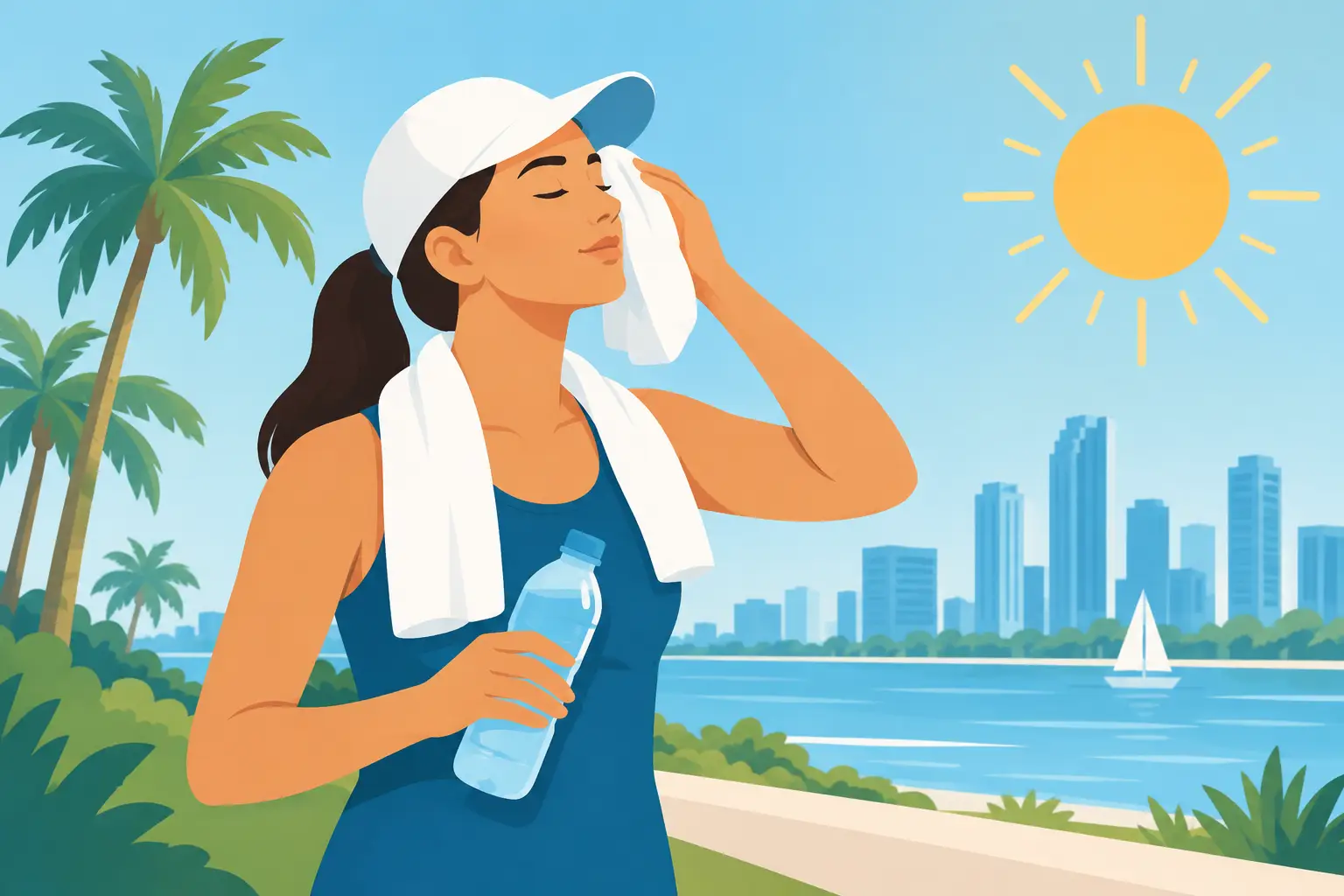
A Tampa Bay afternoon can turn dangerous faster than people expect. A school practice, landscaping shift, beach day, outdoor job, or even a long walk from the parking lot can add up when heat and humidity are high. To prevent heat exhaustion, plan for the weather before you feel thirsty, tired, or overheated.
Heat exhaustion happens when the body loses too much water and salt through sweating and can no longer cool itself effectively. It is common during Florida’s hot months, but it can occur any time temperatures are high, humidity is heavy, or physical activity is intense. Early action matters because untreated heat exhaustion can progress to heat stroke, a medical emergency.
Know When Florida Heat Is Working Against You
Temperature tells only part of the story. Humidity slows the evaporation of sweat, which is one of the body’s main cooling systems. That means 88 degrees with high humidity can feel far more demanding than the number on the thermometer suggests.
Risk also rises when you are working hard, wearing heavy uniforms or protective equipment, exercising outdoors, drinking alcohol, recovering from an illness, or taking certain medications. Young children, adults over 65, pregnant people, and people with heart disease, diabetes, kidney disease, or a history of heat illness may need extra precautions.
Do not assume you are safe because you are used to Florida weather. Acclimating to heat takes time, especially after a vacation, a change in job duties, or several weeks spent mostly indoors. Build outdoor activity gradually over seven to 14 days rather than starting with a full-intensity workout or shift.
Practical Ways to Prevent Heat Exhaustion
The most reliable approach is simple: drink fluids consistently, reduce your exposure during the hottest hours, and give your body regular chances to cool down. The details depend on your activity level and health needs.
Start Hydrating Before You Go Outside
Do not wait until you feel thirsty. Thirst can be a late signal, particularly when you are busy at work, coaching a game, or focused on exercise. Drink water before heading outside and continue taking regular sips throughout the day.
For routine activity, water is usually the best choice. If you are sweating heavily for more than an hour, working in extreme heat, or doing endurance exercise, a drink with electrolytes may help replace sodium and other minerals lost in sweat. Avoid relying on energy drinks, large amounts of caffeine, or alcohol. They can interfere with hydration, sleep, or judgment when you need to pay attention to heat symptoms.
There is no single water target that fits every person. Your size, activity, medications, and medical history all matter. A useful everyday check is urine color: pale yellow generally suggests reasonable hydration, while dark yellow may signal that you need more fluids. People on fluid restrictions for heart, kidney, or liver conditions should follow the plan given by their clinician instead of forcing extra water.
Schedule Around the Hottest Part of the Day
Whenever possible, move yardwork, runs, sports practice, and physically demanding tasks to early morning or later evening. In Tampa Bay, the most difficult conditions are often from late morning through early evening, though humidity can stay high well after sunset.
If your job requires outdoor work, take planned breaks in air conditioning or deep shade. A quick stop in a hot vehicle does not count as a cooling break. Supervisors should make water, shade, and rest available before workers show symptoms, particularly for new employees and those returning after time away.
Parents can use the same approach for children’s activities. Make sure coaches and caregivers have water available, encourage breaks, and know who is most likely to push through discomfort rather than speak up.
Dress and Equip for Heat
Choose loose-fitting, lightweight, light-colored clothing that allows air to move around your skin. A wide-brimmed hat can reduce direct sun exposure, and sunscreen helps prevent painful burns that make it harder for the body to regulate temperature.
Some jobs require heavy gear, hard hats, flame-resistant clothing, or other protective equipment. In those situations, you cannot simply dress lighter. The safer trade-off is more frequent cooling breaks, a slower pace, buddy checks, and a careful plan for hydration. Employers should avoid treating heat safety as a matter of toughness. It is a workplace health issue that can affect concentration, reaction time, and injury risk.
Pace Yourself and Take Symptoms Seriously
Trying to finish one more row of landscaping, one more mile, or one more task can be the moment when heat stress becomes more serious. Slow down when the heat index climbs. Take breaks before you feel worn down, not after.
Pay attention to how you feel and check on family members, coworkers, and teammates. Heat exhaustion may begin with heavy sweating, weakness, headache, dizziness, nausea, muscle cramps, irritability, or a fast pulse. Skin may feel cool, pale, or clammy even though the weather is hot.
A person may also become less coordinated or have trouble concentrating. For a commercial driver, construction worker, diver, athlete, or anyone operating equipment, those changes can create an immediate safety concern. Stop the activity rather than trying to work through it.
What to Do at the First Signs of Heat Exhaustion
Move to an air-conditioned space if available. If not, find shade and get out of direct sun. Loosen or remove unnecessary clothing, use cool wet cloths or a fan, and sip cool water or an electrolyte drink if the person is awake and able to swallow.
Do not send someone who is dizzy, weak, or nauseated back to work or play just because they feel a little better after a few minutes. Rest and continued cooling are needed. Symptoms should improve promptly with these measures. If they do not improve, if vomiting prevents fluids, or if the person has a medical condition that raises their risk, seek medical evaluation the same day.
Do not use ice-cold fluids to force rapid rehydration, and do not give salt tablets unless a clinician has directed you to do so. The goal is gradual cooling and safe fluid replacement.
Heat Exhaustion or Heat Stroke: Know the Emergency Signs
Heat stroke is different from heat exhaustion and requires emergency care. Call 911 right away if someone becomes confused, faints, has a seizure, cannot drink, has trouble speaking, loses coordination, or has hot skin with a very high body temperature. Heavy sweating can still be present, so do not wait for skin to become dry before acting.
While waiting for emergency help, move the person to a cooler area and begin cooling with cold water, wet towels, ice packs to the neck, armpits, and groin, or a cool shower if it is safe to do so. Do not leave the person alone. Fast cooling can be lifesaving.
When Walk-In Care Can Help
Not every heat-related problem is an emergency, but ongoing symptoms deserve attention. A clinician can evaluate dehydration, nausea, headache, dizziness, cramps, or weakness and help rule out other causes that can feel similar. This is particularly useful for older adults, people with chronic health conditions, and workers who need guidance before returning to demanding duties.
Express Care of Tampa Bay can provide prompt evaluation for non-emergency heat-related symptoms at its Apollo Beach and Seffner locations. Walk-ins are welcome, and no appointment is needed. If symptoms are severe or include confusion, fainting, seizures, or inability to drink fluids, call 911 instead of coming to urgent care.
The best heat plan is the one you can follow on a busy day: bring water, schedule breaks, choose shade or air conditioning, and speak up at the first sign that your body needs relief. A short cooling break now can protect the rest of your day.