
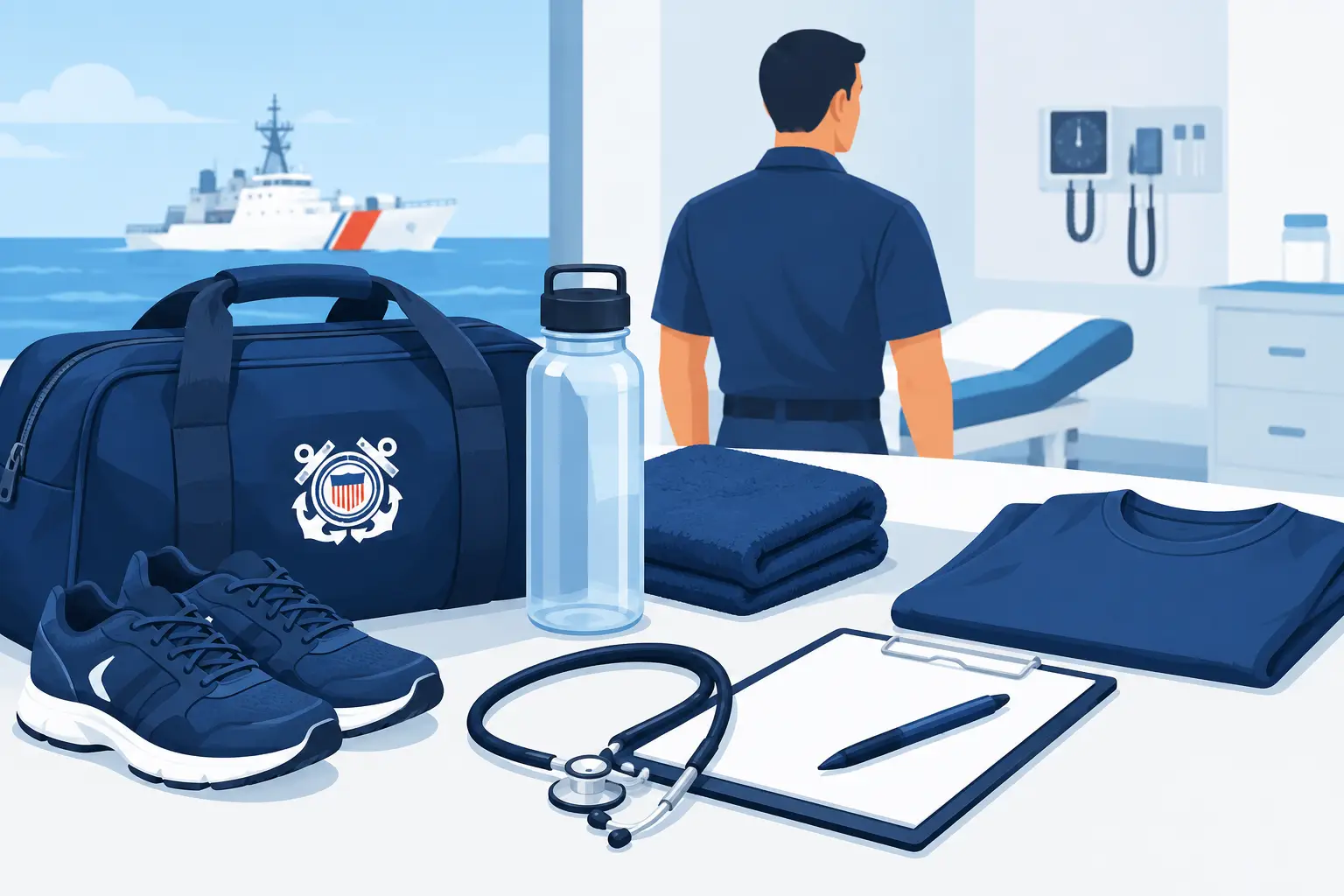
A Coast Guard physical exam is more than a routine checkup. It is a required part of maintaining or applying for a Merchant Mariner Credential, and incomplete paperwork can slow down your plans to work, renew a credential, or return to duty. Arriving prepared helps the visit move faster and gives the medical provider the information needed to complete your form accurately.
For mariners in the Tampa Bay area, Express Care of Tampa Bay provides USCG-approved Coast Guard physicals with convenient local access in Apollo Beach and Seffner. Before you walk in, take a few minutes to gather your documents, medications, and any information related to ongoing health conditions.
Why the Coast Guard Physical Exam Matters
The U.S. Coast Guard uses medical evaluations to help determine whether a mariner can safely perform duties at sea. Vessel work can involve long shifts, changing weather, physical demands, limited access to medical care, and the need to respond quickly during an emergency. The exam documents your current health and identifies whether a condition needs additional review, testing, treatment, or a waiver.
Most applicants use the Coast Guard medical evaluation form, commonly known as CG-719K. The correct form can depend on your credential type and circumstances, so review the current USCG requirements before your visit. Bring the form with you whenever possible, including any sections you have already completed. Do not sign portions that are intended for the examining medical provider unless the form specifically instructs you to do so.
A medical exam does not automatically mean a health condition will prevent you from working on the water. Many mariners with controlled conditions, including high blood pressure, diabetes, asthma, or vision issues, can remain qualified. What matters is clear documentation, appropriate treatment, and whether the condition could create a safety concern while you are performing your duties.
What to Bring to Your Coast Guard Physical Exam
Showing up with the right materials can prevent an avoidable follow-up visit. Your provider needs enough information to document your medical history and make a sound determination based on your individual situation.
Bring a government-issued photo ID and your completed portion of the applicable USCG medical form. If you are renewing a credential, bring any relevant prior medical certification or correspondence from the Coast Guard, particularly if you were previously asked for additional information or granted a medical waiver.
You should also bring a current list of medications. Include prescription medicines, over-the-counter products you use regularly, dosage information, and the name of the prescribing provider when available. Medication names alone do not tell the full story. The provider may need to know why you take a medication, how well the condition is controlled, and whether you experience side effects such as drowsiness, dizziness, or impaired concentration.
If you have a chronic condition, recent records can be helpful. For example, a mariner with diabetes may bring recent lab results and a note from the treating clinician. Someone with a heart condition may need recent cardiology records, test results, or clearance documentation. If you use corrective lenses or contact lenses, bring them. Vision testing is part of the evaluation, and the result should reflect how you function while working.
It is also wise to bring hearing aids if you use them, along with any recent hearing test results. If you have had surgery, hospitalization, an injury, or a significant diagnosis since your last certification, bring related records or discharge paperwork if available.
What the Examination Usually Covers
A Coast Guard physical exam generally includes a review of your medical history, medications, prior surgeries, hospitalizations, and current symptoms. The provider will ask questions designed to identify conditions that may affect your ability to work safely aboard a vessel.
The physical portion commonly includes height, weight, blood pressure, pulse, vision, color vision when required, hearing, and a general examination of the heart, lungs, abdomen, nervous system, and musculoskeletal function. The provider may assess movement, strength, balance, and other factors relevant to job duties.
The exact scope can vary. Your age, medical history, credential category, work environment, and findings during the visit may all affect what additional information is needed. A straightforward exam can often be completed in one visit. If the provider identifies a concern that needs more documentation, you may need follow-up testing or records from your primary care clinician or specialist before the form can be finalized.
That is not necessarily bad news. Additional review is often about providing the Coast Guard with enough detail to understand that a condition is stable and appropriately managed.
Common Reasons for Delays
Most delays are paperwork or documentation issues, not surprises during the basic exam. The fastest way to avoid them is to be honest and complete when answering health-history questions.
Missing medication details are a frequent problem. So are vague descriptions of prior conditions, such as writing “heart issue” without providing the diagnosis, treatment, and current status. If you have sleep apnea, seizures, a history of substance use treatment, mental health treatment, diabetes, cardiovascular disease, or a condition that caused loss of consciousness, expect that the Coast Guard may require more specific records.
Vision can also cause delays when an applicant forgets corrective lenses or has not updated an outdated prescription. Hearing concerns may require further evaluation, especially when there is a known hearing loss. High blood pressure is another common issue. A single elevated reading may not determine your certification outcome, but untreated or poorly controlled blood pressure can lead to a request for follow-up information.
Avoid trying to minimize a condition or leave it off the form. The goal is not to create a perfect health history. The goal is to provide an accurate one. Complete information gives the provider a better chance to document your situation clearly from the start.
How to Prepare the Day Before
Small preparation steps can make your appointment more efficient. Get a normal night of sleep, drink water, and take your regular medications as prescribed unless your treating clinician has given different instructions. Avoid making major changes to medications just to affect an exam result.
If blood pressure tends to run high in medical settings, arrive a little early and give yourself time to sit quietly. Limit nicotine, energy drinks, and large amounts of caffeine beforehand when possible, since they can temporarily raise your heart rate or blood pressure. Wear clothing that allows for a routine physical examination and movement testing.
Review your form before leaving home. Make sure your name, contact information, mariner reference number if applicable, and personal health history sections are complete. Bring copies of records rather than relying on access to a patient portal during the visit. A paper copy or saved document can save time if a connection is unavailable or records are difficult to retrieve.
When Additional Testing May Be Needed
A Coast Guard physical is not the same as an emergency medical evaluation, and it does not replace ongoing care for chronic conditions. However, the exam can reveal that a condition needs attention before certification paperwork can be completed.
Depending on your history and the findings, a provider may request a specialist note, lab work, imaging, an electrocardiogram, a sleep study report, or updated treatment records. The USCG makes the final credentialing decision, and requirements can change. A clinic can complete the medical evaluation and help ensure forms are filled out correctly, but it cannot guarantee a Coast Guard determination.
If you are applying for a waiver or responding to a Coast Guard request for more information, bring that request with you. It often states exactly what records, test results, or clinician statements are needed. Following those instructions closely can reduce back-and-forth after your exam.
Plan Ahead for Your Credential Timeline
Do not wait until the last possible week before a sailing assignment or credential expiration to schedule your Coast Guard physical exam. Even healthy applicants may need time to submit paperwork, correct a form, or obtain records from another provider. If you know you have a condition that has required follow-up in the past, allow additional time.
Walk-ins are welcome for many services, but calling ahead to confirm Coast Guard physical availability and the form you need can help your visit go smoothly. Bring complete information, ask questions if a section of the form is unclear, and keep copies of your completed paperwork for your own records. A prepared visit is one less obstacle between you and your next day on the water.