
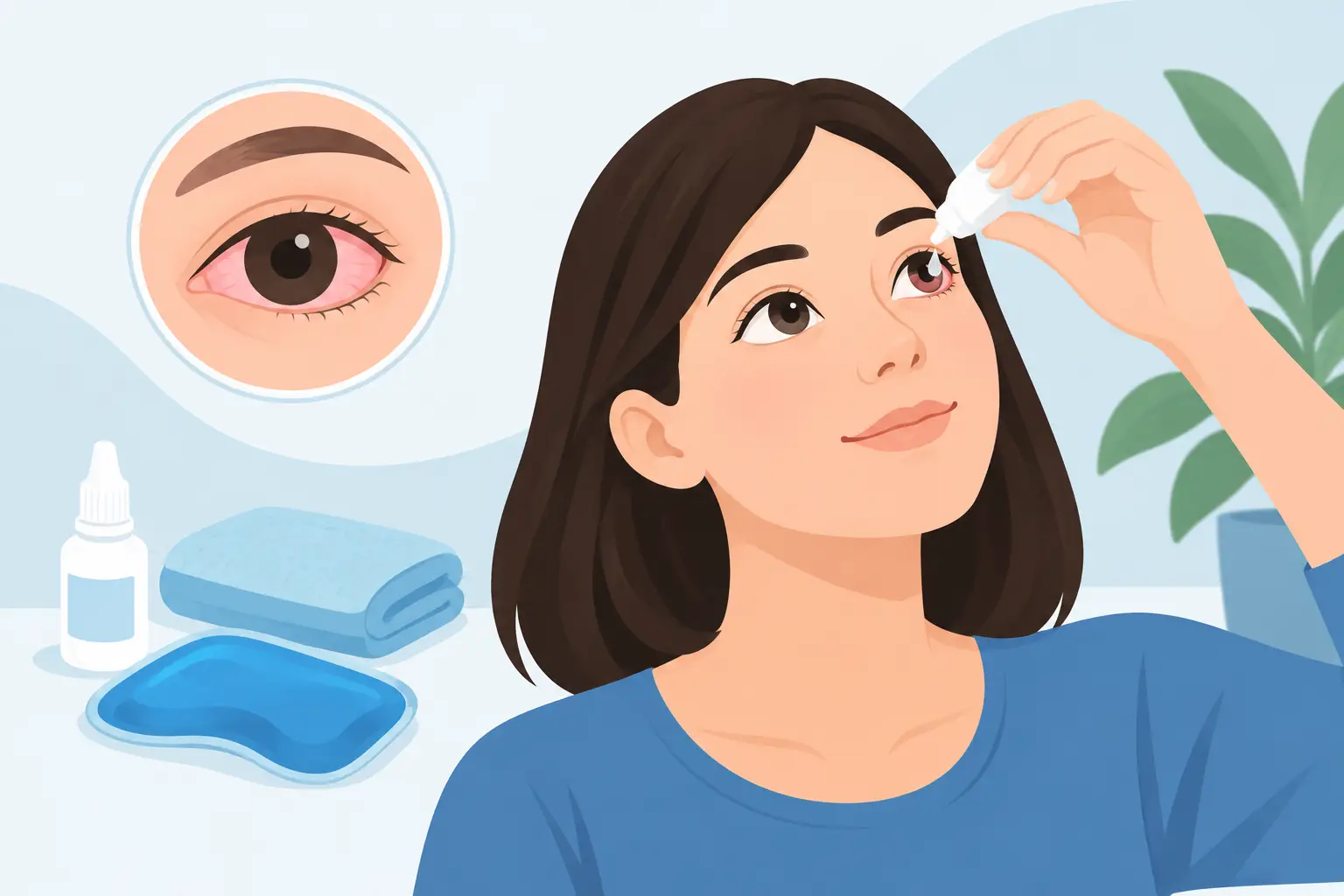
A red, irritated eye can make a normal morning feel urgent, especially when there is crusting, drainage, or a child needs to get ready for school. Knowing how to treat pink eye starts with one key fact: pink eye is a symptom pattern, not one single illness. The right treatment depends on whether the irritation is caused by a virus, bacteria, allergies, or something that got into the eye.
Pink eye, also called conjunctivitis, affects the thin clear tissue covering the white part of the eye and lining the eyelid. Many cases are mild, but eye symptoms can overlap. A prompt evaluation can help rule out conditions that need different treatment, including corneal scratches, contact lens-related infections, or more serious eye inflammation.
How to Treat Pink Eye Based on the Cause
The appearance of pink eye alone does not always tell you the cause. Both viral and bacterial infections can create redness, tearing, and discharge. Allergies can cause significant itching and redness without being contagious. An urgent care clinician can review your symptoms, examine the eye, and recommend a treatment plan that fits the likely cause.
Viral pink eye
Viral conjunctivitis often occurs with a cold, sore throat, runny nose, or recent exposure to someone with a similar eye infection. It may start in one eye and move to the other. Watery discharge, burning, redness, and a gritty feeling are common.
Antibiotics do not treat viral pink eye. Care usually focuses on comfort while the infection improves on its own, which may take several days and sometimes longer. Cool compresses can reduce irritation. Preservative-free artificial tears may help with dryness or a sandy sensation. A clinician may recommend other options based on your symptoms and health history.
Viral pink eye spreads easily through hands, towels, pillowcases, makeup, and shared surfaces. Careful hygiene matters as much as symptom relief.
Bacterial pink eye
Bacterial conjunctivitis is more likely to cause thicker yellow, green, or white discharge that can make the eyelids stick together, particularly after sleep. It can affect one or both eyes. Some cases improve without prescription medication, while others benefit from antibiotic eye drops or ointment.
Do not use leftover antibiotic drops or another person’s medication. The wrong medication may not help, may cause irritation, and can delay an accurate diagnosis. If an antibiotic is prescribed, use it exactly as directed and complete the course unless the clinician tells you otherwise.
Allergic pink eye
Intense itching is a common clue that allergies are involved. Both eyes are often affected, and symptoms may flare with pollen, dust, pet dander, mold, or other triggers. Clear, watery tearing and puffy eyelids are common. Allergy-related pink eye is not contagious.
A cool compress, avoiding the suspected trigger, and allergy eye drops or oral allergy medicine may provide relief. Some drops are not appropriate for every person, especially young children or people with certain medical conditions, so ask a healthcare professional if you are unsure what to use.
Irritant-related pink eye
Smoke, chlorine, cosmetics, dust, and other irritants can leave the eye red and uncomfortable. Rinsing the eye with clean water or sterile saline may help after a minor exposure. If a chemical splashes into the eye, begin flushing right away and seek urgent medical guidance. Chemical eye injuries should not be managed by waiting to see if the redness goes away.
At-Home Steps That Can Help
For mild symptoms, gentle care can make the eye more comfortable while you arrange an evaluation or wait for a diagnosed condition to improve. Wash your hands before and after touching your face or applying any eye medication. Use a clean washcloth with cool water as a compress for itching, burning, or swelling.
If dried drainage is present, soften it with a warm, clean washcloth and wipe gently from the inner corner of the eye outward. Use a fresh cloth or clean area of the cloth for each eye. Do not scrub the eye, and do not try to remove discharge with your fingers.
Artificial tears can help soothe dryness and irritation. Avoid redness-relief drops unless a clinician recommends them. These products may temporarily reduce redness but do not treat an infection or allergy cause, and frequent use can make redness return more noticeably.
Stop wearing contact lenses until your eye has fully improved and a clinician says it is safe to resume them. Discard disposable lenses and replace the lens case used around the time symptoms started. Contact lens wearers have a higher risk of certain eye infections, so redness, pain, discharge, or light sensitivity deserves timely medical attention.
Avoid eye makeup until symptoms resolve. Replace eye makeup used just before or during an infectious episode, particularly mascara and eyeliner, to reduce the chance of recontamination.
Preventing Pink Eye From Spreading at Home
When pink eye may be infectious, simple habits protect the rest of the household. Wash hands often with soap and water, especially after applying eye drops, wiping a child’s face, or touching the area around the eye. Hand sanitizer can be useful when soap and water are unavailable, but visible drainage should be washed away with soap and water first.
Do not share towels, washcloths, pillowcases, eye drops, makeup, or contact lens supplies. Change pillowcases and face towels regularly while symptoms are active, and clean frequently touched surfaces such as bathroom counters, phones, doorknobs, and remote controls.
Children and adults should avoid rubbing their eyes. This can spread infection from one eye to the other and transfer germs to hands and surfaces. School, daycare, and workplace return policies vary. A clinician can provide guidance based on the diagnosis, symptom severity, and the rules of the school or employer.
When Pink Eye Needs Same-Day Care
Many pink eye cases are uncomfortable but not dangerous. Still, certain symptoms should be checked promptly because they can signal a problem beyond routine conjunctivitis. Seek same-day medical care for moderate to severe eye pain, changes in vision, strong sensitivity to light, significant eyelid swelling, a feeling that something is stuck in the eye, or symptoms after an eye injury.
You should also be evaluated promptly if you wear contact lenses, have a weakened immune system, recently had eye surgery, or have symptoms that are getting worse rather than better. Infants and newborns with eye redness or drainage need medical evaluation because infections at that age can require specific treatment.
Go to an emergency department for a serious chemical exposure, sudden vision loss, severe pain, or a penetrating eye injury. These concerns need emergency-level assessment rather than routine urgent care.
Getting Answers Without Waiting for a Primary Care Visit
When the cause is unclear, an in-person eye evaluation is often the fastest way to avoid using unnecessary drops or missing a condition that needs treatment. Express Care of Tampa Bay can evaluate many non-emergency eye concerns with walk-in care, helping patients get prompt answers without waiting for a routine appointment. Same-day telehealth may be useful for some follow-up questions, but eye symptoms involving pain, vision changes, injury, or contact lenses may require an in-person exam.
Bring a list of any eye drops or medications you have already used. If you wear contacts, let the clinician know what type you wear and when you last used them. Those details can affect the treatment plan.
A red eye deserves practical attention, not guesswork. Keep the eye clean, avoid sharing personal items, pause contact lens use, and get checked promptly when symptoms are severe, persistent, or affecting vision. The sooner you know what is causing the irritation, the sooner you can choose the care that helps your eyes feel comfortable again.