
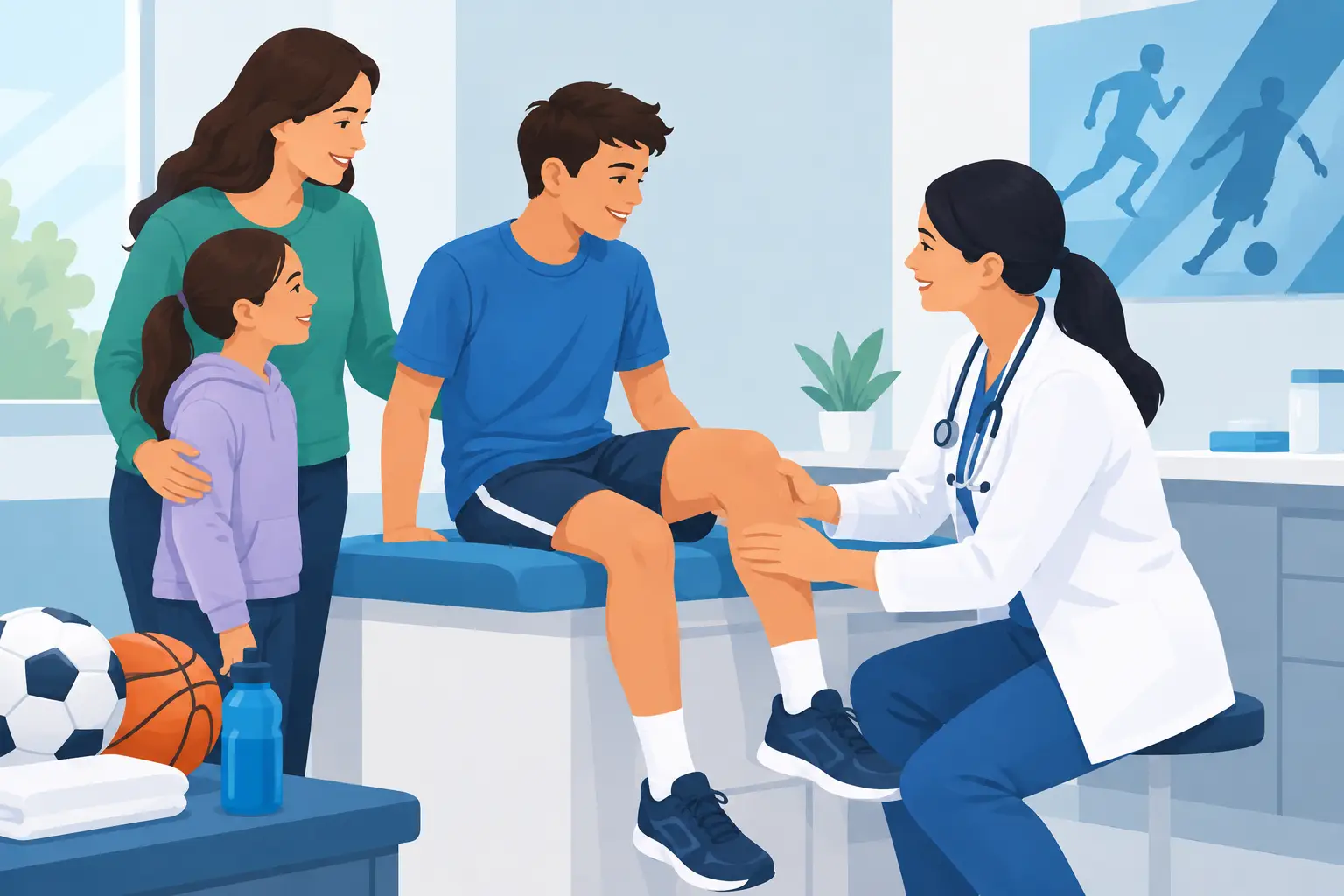
A cleared physical can be the one item standing between your child and the first practice, tryout, or game of the season. For a sports physical, walk in when your family needs a prompt exam without adding another appointment to an already busy schedule. At Express Care of Tampa Bay, Walk-Ins Welcome means families can take care of required sports paperwork and get practical guidance from a local medical team.
Sports physicals are commonly requested by schools, youth leagues, camps, and travel teams. Requirements can vary, and many organizations will not allow an athlete to participate until a completed form is on file. Planning ahead helps, but life does not always run on the school calendar. A walk-in option can help when a deadline is close, a form was misplaced, or a student decides to join a team at the last minute.
When a Sports Physical Walk-In Visit Makes Sense
A sports physical is generally a preventive exam designed to identify health concerns that could affect safe participation. It is often called a pre-participation physical evaluation. The clinician reviews the athlete’s health history, asks about symptoms and previous injuries, and performs an exam based on the requirements of the form.
A sports physical walk-in visit is a practical choice when your athlete needs routine clearance, the school or league form needs to be completed, or your family cannot wait weeks for a primary care appointment. It can also be helpful for working parents who need a straightforward option near home, school, or work.
Timing still matters. Some schools require the physical to be completed within a specific time period before the season starts. Others have their own forms, signature requirements, or policies about which providers may complete the exam. Check those details before arriving whenever possible. Bringing the correct form can prevent an extra trip and help the visit move more quickly.
What Happens During the Exam
Sports physicals focus on the information that matters for activity and participation. The visit is not simply a signature on a form. It is an opportunity to discuss concerns that may not come up during a routine day at school or at home.
The clinician will usually review medical history, including allergies, medications, prior surgeries, asthma, diabetes, heart concerns, fainting, concussion history, and past injuries. For younger athletes, parents should be ready to answer questions about childhood conditions, hospital visits, and family health history. For teens, it can be useful to give them room to answer questions honestly about symptoms, stress, sleep, nutrition, and any concerns they may be hesitant to mention at home.
The physical exam may include height, weight, blood pressure, vision screening, heart and lung evaluation, and checks of the abdomen, joints, posture, strength, and flexibility. The provider may also assess whether an old injury is causing pain or limiting motion. What is included can depend on the athlete’s age, medical history, sport, and the form being completed.
Most athletes can return to normal activities after the visit. If the exam identifies a concern, the next step depends on what was found. Some athletes may be cleared without restrictions. Others may be cleared with recommendations, need additional information from a specialist, or need treatment before returning to full activity. That is not a setback for an athlete or parent. It is a chance to address a concern before it becomes a larger problem during the season.
What to Bring for a Faster Visit
A little preparation can make a same-day visit easier. Bring the school’s, league’s, or camp’s physical form if one is required. Complete the parent and athlete sections before arrival when possible, but do not sign any section that must be completed in front of a provider.
It also helps to bring:
- A photo ID and insurance information, if applicable
- A list of current medications, allergies, and medical conditions
- Glasses or contact lenses if the athlete uses them for vision correction
- Relevant records for ongoing conditions, recent injuries, surgeries, or specialist care
If your athlete has asthma, a heart condition, diabetes, a seizure disorder, or a history of concussion, bring any information that helps explain their current care plan. This may include the names of specialists, recent test results, medication doses, or school action plans. Clear information helps the clinician make an informed decision and complete the form accurately.
Sports Physicals Are Not Injury Visits
A sports physical can identify areas that need attention, but it is not a substitute for evaluating a new or serious injury. If an athlete has acute pain, swelling, a suspected fracture, a head injury, trouble breathing, chest pain, or repeated dizziness during activity, tell the medical team right away. The visit may need to focus on the injury rather than routine clearance.
For non-life-threatening injuries, a walk-in urgent care visit may include an evaluation and, when appropriate, on-site digital X-rays. This is especially useful when a student needs answers after a fall, collision, or practice injury. A clinician can help determine whether rest, treatment, follow-up, or additional care is appropriate before the athlete returns to play.
Emergency symptoms require emergency care. Call 911 or go to an emergency room for severe trouble breathing, severe chest pain, loss of consciousness, uncontrolled bleeding, signs of a severe allergic reaction, or a serious head or neck injury. A sports clearance visit should never delay care for an urgent emergency.
Do Not Wait Until the Night Before Tryouts
The easiest sports physical is usually the one completed before the rush. Late summer and the weeks before seasonal tryouts can be especially busy, and forms sometimes need follow-up after an exam. Scheduling time early gives families more flexibility if an athlete needs a recheck, records, or additional medical guidance.
Still, a missed deadline does not have to mean missing the season. No Appointment Needed care gives families another option when a coach announces a requirement late or a completed form cannot be found. Visit with all required paperwork, be ready to share the athlete’s health history, and let the care team know when the form is due.
Parents should also remember that clearance is only one part of a safe season. Encourage athletes to report pain instead of playing through it, wear properly fitted equipment, drink water, get enough sleep, and follow return-to-play instructions after an injury. A student may be eager to get back on the field, court, track, or pool deck, but long-term health matters more than one game.
Care That Fits a Busy Tampa Bay Family
Between school schedules, work commitments, practices, and transportation, finding time for required healthcare can be difficult. A walk-in sports physical gives families a direct path to an exam and completed paperwork without unnecessary scheduling barriers. It is built for the moments when your child needs to be ready for participation and your family needs clear next steps.
Before heading in, gather the required form and any health information that could affect clearance. Then come in ready to ask questions. The goal is not just to complete a form – it is to help your athlete begin the season with appropriate medical guidance and the confidence to participate safely.