
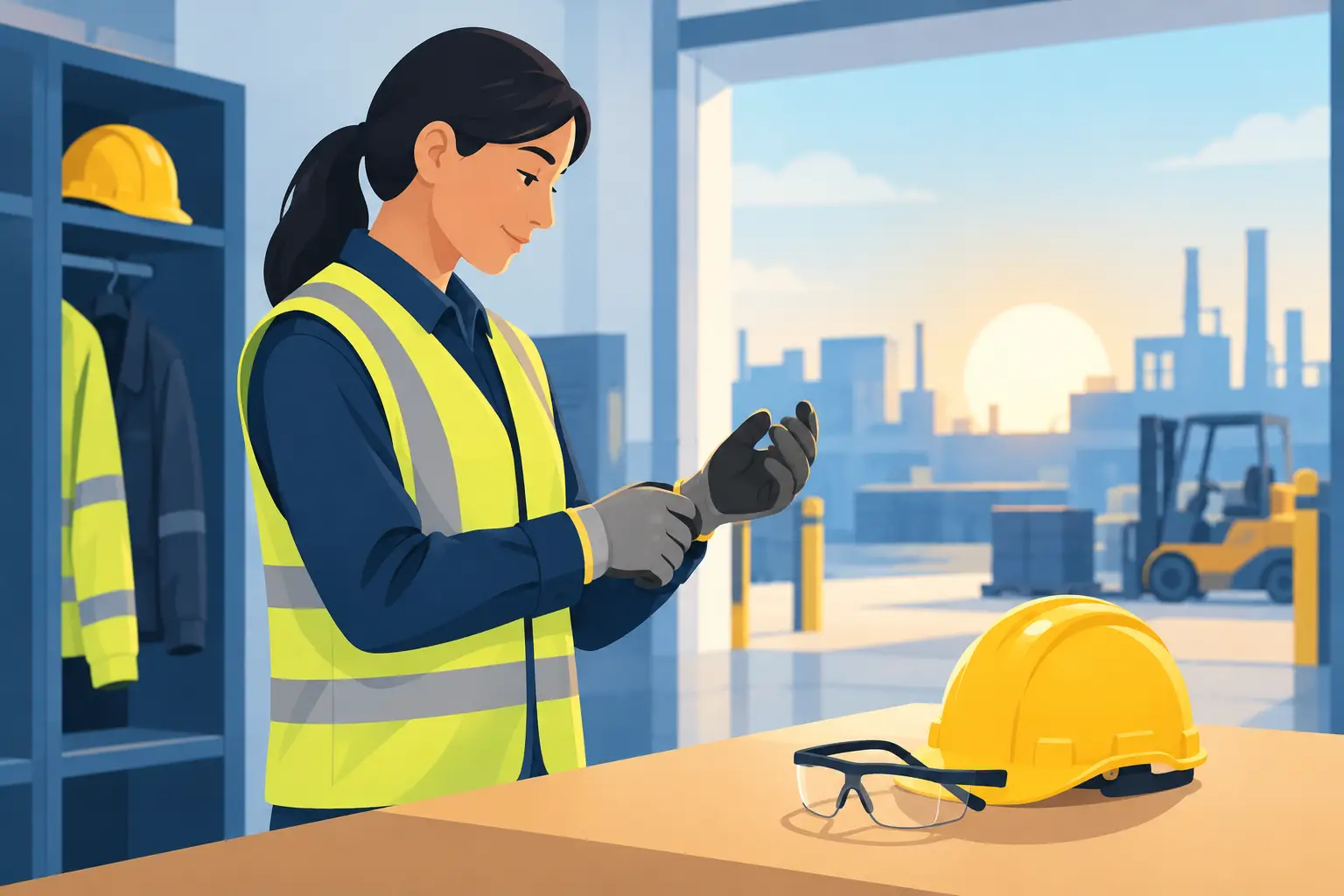
A wet entryway after a Florida rainstorm, a rushed lift from a delivery truck, or a missing pair of safety glasses can turn an ordinary shift into an injury report. Workplace safety is not a binder that sits in an office. It is the everyday practice of noticing hazards early, giving people the right tools, and responding quickly when something goes wrong.
For Tampa Bay employers, a safer workplace protects more than employees. It reduces lost work time, helps maintain dependable staffing, supports morale, and gives customers confidence that the business is run with care. The strongest programs are practical enough to use on a busy Monday morning, not just during annual training.
Workplace Safety Is a Daily Operating Habit
Rules matter, but employees are more likely to follow them when the rules make sense in the work they actually do. A warehouse team needs clear travel lanes, functioning equipment, and a realistic approach to lifting. An office team may need ergonomic workstations, uncluttered walkways, and a plan for visitors who become ill. A restaurant, construction site, medical office, retail store, and delivery business all face different risks.
That is why a one-size-fits-all safety program can fall short. Start with the jobs people perform, the equipment they use, and the places where work speeds up. Ask employees where they have to improvise, rush, reach, carry, bend, or work around an obstacle. Those answers often reveal risks that are invisible from a manager’s desk.
A useful safety conversation is specific. Rather than reminding everyone to “be careful,” identify the behavior and the hazard: use a cart for heavy supply boxes, keep the rear exit clear, wear eye protection when using cleaning chemicals, or report a damaged ladder before the next shift. Clear direction gives people something they can act on immediately.
Start Each Shift With a Quick Safety Check
A full inspection is not necessary before every task, but a brief check can prevent common injuries. Supervisors and employees should look for changes since the last shift: spills, blocked paths, exposed cords, damaged tools, poor lighting, unsecured loads, or missing personal protective equipment.
For teams that work around vehicles, machinery, ladders, food service equipment, chemicals, or heavy materials, the check should include the condition of the equipment itself. A small defect can become a serious problem when a shift gets busy. Taking a damaged item out of service may feel inconvenient, but it is usually less disruptive than an injury, a workers’ compensation claim, or a preventable shutdown.
Weather also deserves attention in Tampa Bay. Rain can create slick entrances, parking areas, loading zones, and walkways within minutes. Heat and humidity increase the risk of dehydration, fatigue, and heat-related illness for employees who work outdoors or in hot environments. Make water, shade, rest breaks, and dry floor procedures part of the plan rather than an afterthought.
Train for the Work People Actually Do
Safety training works best when it is short, relevant, repeated, and demonstrated. New employees need instruction before they are placed in a high-risk task, but experienced employees also benefit from refreshers when procedures, equipment, or job demands change.
Hands-on training is often more effective than a long presentation. Show an employee how to adjust a workstation, use a fire extinguisher, lift with a partner, put on protective gear, or report an injury. Then have them demonstrate the process back. This confirms understanding and lets a supervisor correct problems before they become habits.
Language and literacy matter, too. If a team speaks more than one primary language, provide instructions employees can clearly understand. Use plain wording, visual signs where appropriate, and direct demonstrations. Safety should never depend on someone pretending they understood a rushed explanation.
Document training, but do not confuse documentation with protection. A signed form is useful for records. Consistent coaching, safe equipment, and a workplace where people can speak up are what reduce risk.
Make Reporting Easy and Blame-Free
Employees should know exactly what to do after a near miss, unsafe condition, or injury. If the reporting process is unclear or people fear punishment, small problems stay hidden until they become larger ones.
Encourage workers to report hazards as soon as they see them. Thank them for raising the issue, investigate the cause, and share what changed. When a team sees that reporting leads to action, they are more likely to keep participating.
Near misses deserve attention even when no one is hurt. A box that falls without striking anyone, a vehicle that nearly backs into a pedestrian, or a slip that does not cause pain can all point to a weakness in the process. Addressing the cause early is one of the most practical ways to prevent a future injury.
Respond Quickly When a Workplace Injury Happens
Even careful workplaces cannot eliminate every injury. The response in the first hours matters. Employees need clear instructions on who to notify, where to seek care, and how to get help without delaying necessary treatment.
For life-threatening symptoms or serious trauma, call 911 or go to an emergency department. Severe bleeding, chest pain, trouble breathing, loss of consciousness, serious burns, suspected spinal injury, or a major head injury require emergency evaluation.
For many non-life-threatening workplace injuries, prompt outpatient care may be appropriate. Cuts that may need closure, sprains, strains, minor burns, suspected minor fractures, workplace illnesses, and eye or skin irritation can still require timely clinical evaluation. Waiting until the end of the week may worsen pain, delay a return-to-work plan, or leave an injury undocumented.
Employers should establish a simple post-injury process before it is needed. It should identify the supervisor contact, transportation expectations, the information to bring to the medical visit, and the person responsible for follow-up. The process should also respect the employee’s privacy. Share only the information needed to coordinate work restrictions and care.
Express Care of Tampa Bay can provide walk-in workers’ compensation care for non-emergency injuries, along with on-site digital X-rays and other services that can help employers and employees move forward without unnecessary delays. No appointment is needed for many urgent care needs.
Support a Safe Return to Work
Returning an employee to work after an injury is not always an all-or-nothing decision. Depending on the diagnosis and medical guidance, temporary restrictions or modified duties may allow a worker to remain connected to the job while recovering. That could mean limiting lifting, avoiding repetitive movement, taking scheduled breaks, or moving to a less physically demanding task.
Modified duty only works when it is real. Do not assign an employee a “light duty” role that quietly requires the same risky movements that caused the injury. Review the duties with the employee and supervisor, make expectations clear, and adjust the plan if symptoms change.
This approach benefits both sides when handled thoughtfully. Employees can maintain routine and income where appropriate, while employers retain experience and reduce the disruption of an extended absence. Still, the right plan depends on the injury, the job, and the treating clinician’s recommendations.
Build Accountability Without Creating Fear
Leaders set the standard for workplace safety when they wear required protective equipment, stop unsafe work, and take reports seriously. Employees notice when production goals seem to matter more than safe procedures. They also notice when a manager pauses a task to correct a hazard, even during a busy day.
Measure a few meaningful indicators instead of focusing only on injury totals. Track reported hazards, training completion, equipment issues, near misses, and how quickly concerns are resolved. A low injury count can be positive, but it can also mean people are reluctant to report. A rise in hazard reports may signal that employees trust the process enough to use it.
Review safety practices after changes in staffing, layout, workload, equipment, or weather conditions. The goal is not perfection on paper. It is making the next shift safer than the last one.
A workplace becomes safer through ordinary decisions made consistently: cleaning the spill now, replacing the worn equipment, giving a new employee time to learn, and getting prompt care when an injury occurs. Those choices tell every employee that their well-being is part of how the business operates.