
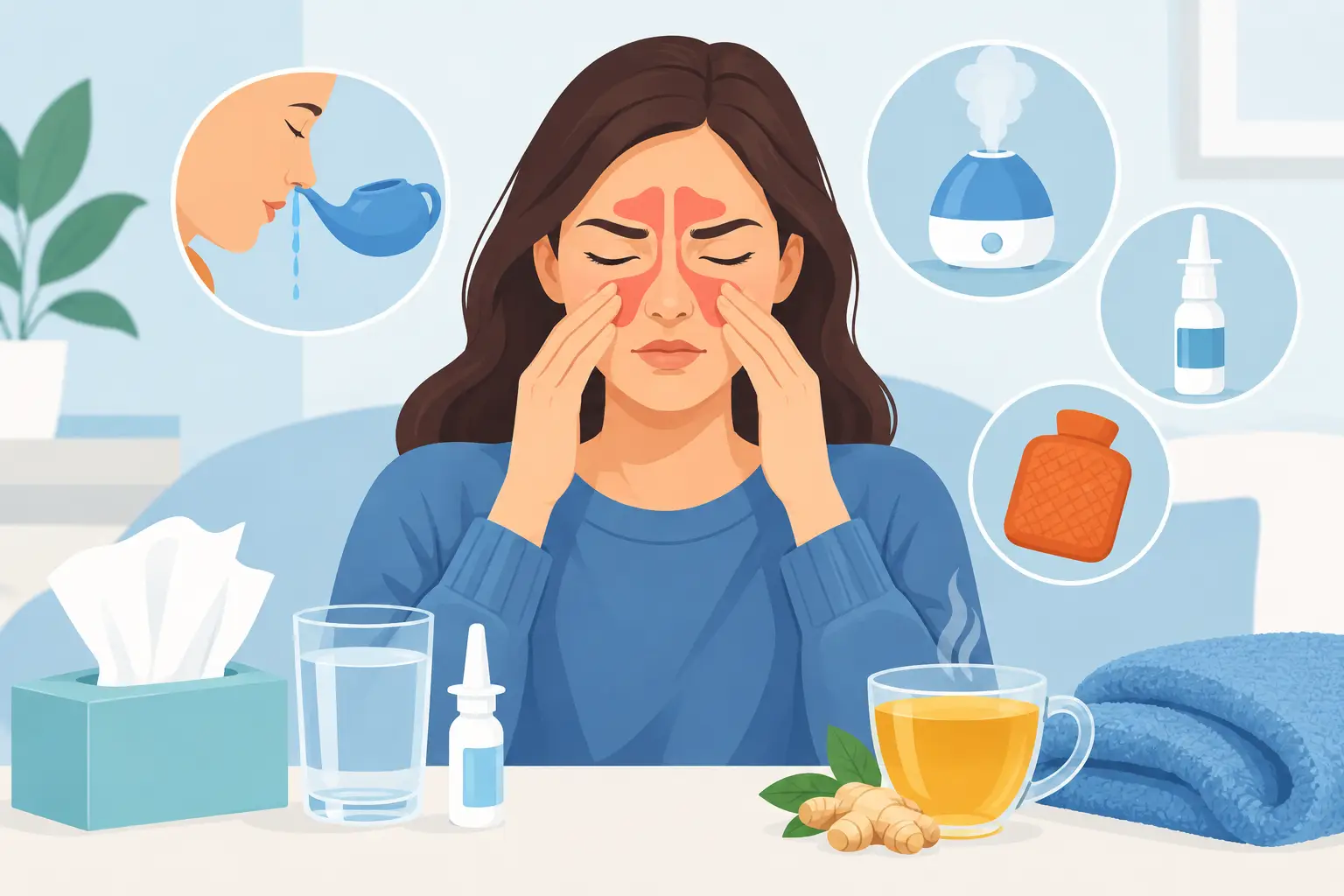
A blocked nose, facial pressure, thick drainage, and a headache can make a sinus infection feel hard to ignore. The best treatments for sinus infection depend on what is causing your symptoms, how long they have lasted, and whether they are starting to improve or getting worse.
Many sinus infections improve with supportive care and do not need antibiotics. Others may need a medical evaluation, especially when symptoms are severe, persist beyond 10 days, or return after briefly getting better. Knowing the difference can help you get relief without unnecessary medication or delay.
Start With the Right Sinus Infection Treatment
Sinusitis means the lining of the sinuses is swollen or inflamed. It often follows a cold, but allergies, smoke exposure, nasal polyps, and other conditions can also contribute. When the sinus openings swell shut, mucus cannot drain as easily. That backup creates pressure and discomfort and can make bacterial growth more likely in some cases.
Most short-term sinus infections are viral. A virus will not respond to antibiotics, so treatment focuses on easing congestion, thinning mucus, managing pain, and giving your body time to recover. A clinician can help determine whether your pattern of symptoms suggests a bacterial infection or another problem that needs different care.
Saline Rinses and Nasal Moisture
Saline spray or a saline nasal rinse can loosen thick mucus and help the sinuses drain. For a rinse bottle or neti pot, use distilled, sterile, or previously boiled and cooled water – not untreated tap water. Clean and air-dry the device after each use.
This is often one of the most useful at-home options because it addresses congestion without the side effects associated with some medications. It may be used alongside other treatments when appropriate.
Nasal Steroid Sprays
Over-the-counter nasal steroid sprays can reduce inflammation in the nasal passages, particularly when allergies play a role in ongoing congestion. They do not provide instant relief and may take several days of consistent use to make a noticeable difference.
Use the spray as directed, aiming slightly outward toward the ear rather than toward the center wall of the nose. If you have frequent nosebleeds, recent nasal surgery, or questions about using a steroid spray, ask a healthcare professional first.
Pain and Fever Relief
Acetaminophen or ibuprofen may help with facial pain, headache, sore throat, and fever when used according to the label. These medications are not right for everyone. For example, people with liver disease should be cautious with acetaminophen, while people with kidney disease, stomach ulcers, certain heart conditions, or blood-thinning medications should ask a clinician before using ibuprofen or similar anti-inflammatory medicines.
For children, use only age-appropriate medications and dosing. Aspirin should not be given to children or teenagers with viral symptoms because of the risk of Reye’s syndrome.
Decongestants: Helpful for Some, Not for Everyone
A short course of a nasal decongestant spray may temporarily open a severely stuffy nose. However, using these sprays for more than three days can cause rebound congestion, leaving the nose even more blocked when the medication wears off.
Oral decongestants can also relieve congestion, but they may raise blood pressure, cause jitteriness, worsen anxiety, or interfere with sleep. They may not be a good choice for people with high blood pressure, heart disease, glaucoma, prostate problems, thyroid disease, or pregnancy. A quick conversation with a clinician or pharmacist can prevent avoidable side effects.
When Antibiotics Are Among the Best Treatments for Sinus Infection
Antibiotics can be appropriate for a suspected bacterial sinus infection, but they are not a routine answer for every case of congestion or sinus pressure. Taking them when they are not needed will not shorten a viral illness and can cause side effects such as nausea, diarrhea, allergic reactions, and antibiotic resistance.
A medical provider may consider antibiotics when symptoms last more than 10 days without improvement, when symptoms improve and then worsen again, or when there is a high fever with significant facial pain and thick nasal drainage. Your age, medical history, medication allergies, and recent antibiotic use all affect which treatment is safest.
If an antibiotic is prescribed, take it exactly as directed. Do not save leftover medication or share it with anyone else. Contact the prescribing provider if you develop a rash, severe diarrhea, trouble breathing, or other concerning symptoms.
What Usually Does Not Help
Cold and sinus products can contain several active ingredients at once. Taking more than one product without checking the labels can accidentally double up on acetaminophen, decongestants, or antihistamines. Choose medications based on your specific symptoms instead of taking a combination product by default.
Antihistamines may be useful when allergies are clearly contributing to sneezing, itching, and watery drainage. They are less helpful for a typical viral sinus infection and can sometimes dry mucus, making it harder to drain. Strong-smelling oils, smoke, and vaping can also irritate already inflamed nasal passages rather than clear them.
Rest, fluids, and humidified air can support comfort, but there is no need to force large amounts of fluid or use extremely hot steam. Avoid steam close enough to burn the skin, especially for children.
When to Seek Same-Day Care for Sinus Symptoms
A sinus infection may look similar to a cold, flu, allergies, COVID-19, or even a dental issue. An in-person or virtual evaluation can help clarify what is driving your symptoms and whether testing or prescription treatment is needed.
Seek same-day care if sinus symptoms are not improving after 10 days, become worse after initial improvement, or include a persistent fever, substantial facial pain, swelling, or trouble managing symptoms at home. You should also be evaluated sooner if you have a weakened immune system, are pregnant, have a serious chronic condition, or have frequent recurring sinus infections.
Get emergency care right away for swelling or redness around an eye, vision changes, severe headache, confusion, stiff neck, chest pain, trouble breathing, or unusual drowsiness. These symptoms are uncommon, but they need prompt attention.
At Express Care of Tampa Bay, walk-ins are welcome for non-emergency sinus symptoms, and same-day telehealth may be an option when appropriate. A clinician can review your symptoms, examine you when needed, discuss safe medication choices, and determine whether antibiotics or another treatment plan makes sense.
Preventing the Next Flare-Up
You cannot prevent every cold, but a few practical habits can reduce triggers and support sinus health. Wash hands regularly, avoid sharing drinks when someone is sick, and stay current on recommended vaccines. If seasonal allergies routinely lead to congestion, treating them early may reduce the chance of prolonged sinus irritation.
Pay attention to repeated patterns. Symptoms that happen in the same season, after specific exposures, or several times a year may point to allergies or another underlying cause rather than separate infections. Recurrent symptoms deserve a conversation with a healthcare provider instead of repeated self-treatment.
The fastest path to relief is not always the strongest medication. It is the treatment that fits the cause of your symptoms, protects your health conditions, and gets you evaluated promptly when the pattern suggests you need more than home care.