
A missed signature can keep a student on the sideline, even when they are ready for the first practice. If you are wondering how to get sports physical clearance without a last-minute rush, start by checking your school, league, or camp requirements before tryouts begin. Most organizations require a completed physical examination form before an athlete can participate, and some have specific state or district paperwork.
For Tampa Bay families, the process can often be completed in one visit when you arrive prepared. A sports physical is not meant to replace regular checkups with a child’s primary care provider. It is a focused evaluation that helps identify health concerns that could affect safe participation in sports.
What a Sports Physical Includes
A sports physical, also called a preparticipation physical examination, reviews an athlete’s current health, medical history, and ability to safely take part in a sport. The clinician will generally ask about past injuries, surgeries, medications, allergies, asthma, heart symptoms, concussions, and family medical history.
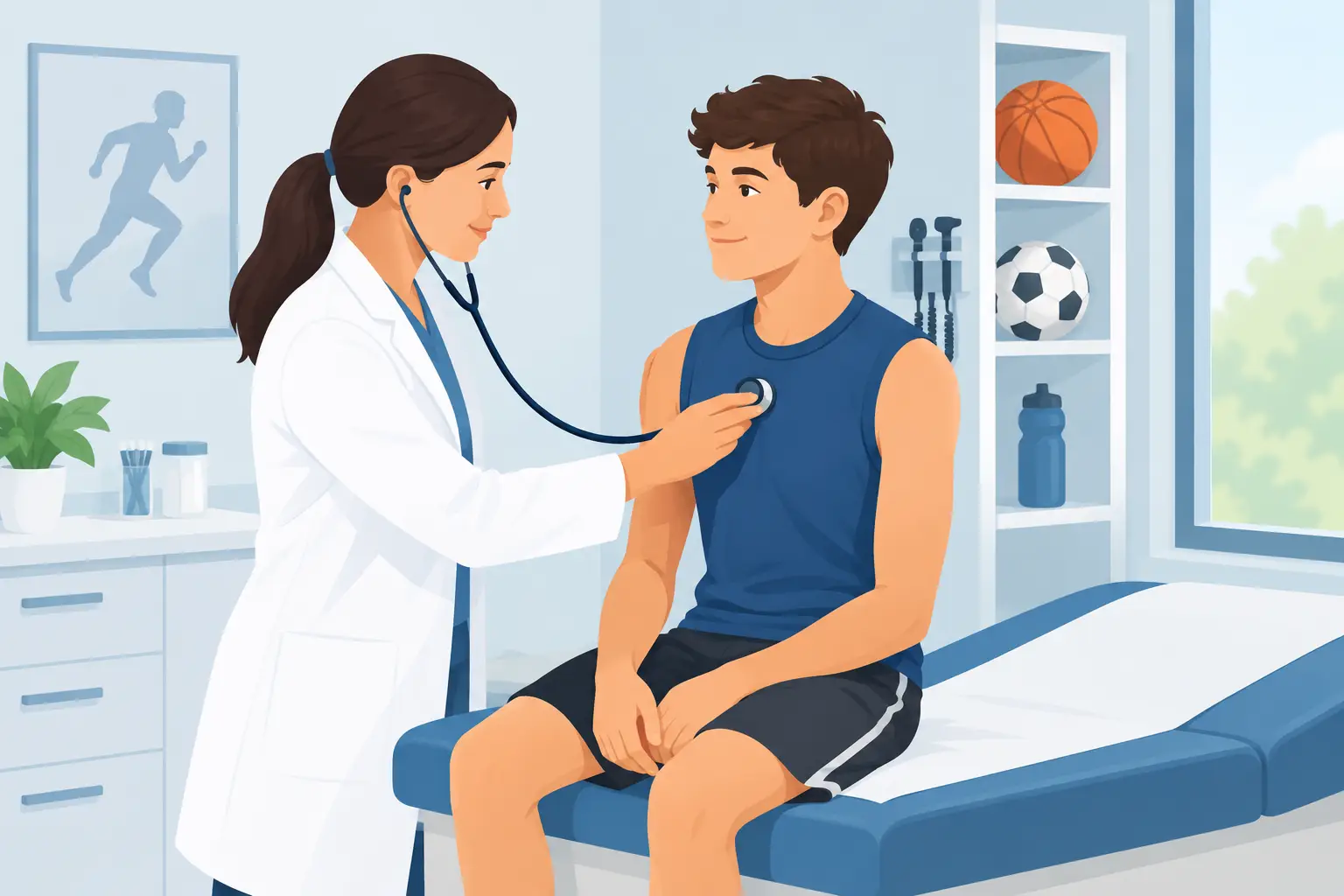
The exam commonly includes height, weight, blood pressure, vision screening, and an evaluation of the heart, lungs, abdomen, joints, posture, strength, and flexibility. The clinician may listen to the heart and lungs, check range of motion, and look for signs that a prior injury needs more attention before a student returns to activity.
The goal is not to disqualify a child from playing. It is to identify risks early and determine whether the athlete can participate without restrictions, should follow specific precautions, or needs additional evaluation first. Many students are cleared the same day. Others may need a follow-up with a primary care provider or specialist, depending on their history and exam findings.
How to Get a Sports Physical Without Delays
The easiest way to get a sports physical is to treat the paperwork as part of the appointment, not an afterthought. Download or pick up the required form from the school, athletic department, league, or camp. Parents or guardians should complete every section assigned to them before arriving.
Bring the form, a photo ID if available, insurance information if applicable, and a current list of medications. For younger children, a parent or legal guardian should come to the visit because medical history questions and consent may be needed. If the athlete wears glasses or contact lenses, bring them for the vision portion of the exam.
It also helps to bring records or details related to ongoing conditions. For example, a student with asthma should know which inhalers they use and how often symptoms occur during exercise. An athlete who had a concussion, fracture, surgery, or significant injury should be ready to share when it happened, what treatment they received, and whether symptoms remain.
At Express Care of Tampa Bay, families can walk in for school and sports physicals without waiting for a routine primary-care appointment. Walk-Ins Welcome means you can fit a required exam into a busy summer schedule, after work, or before the school year picks up.
Check the form before you leave
Before leaving the clinic, look over the completed form with the staff. Confirm that the athlete’s name and date of birth are correct, all required sections are completed, and the clinician has signed and dated the proper area. Ask for a copy for your records. Schools and leagues may keep the original, and having a copy can save time if paperwork is misplaced.
When Should You Schedule a Sports Physical?
Do not wait until the night before the first practice. Many Florida schools and youth leagues require documentation before a student can participate in conditioning, tryouts, or games. Completing the physical several weeks before the season gives your family time to handle a referral, testing, or paperwork correction if needed.
Summer is a common time for fall sports physicals, but the right timing depends on the organization. Some schools accept a physical for a full calendar year, while others follow their own expiration date or state athletic association guidance. Review the form carefully and ask the athletic office whether last year’s physical is still valid.
A physical may be needed for more than school sports. Youth leagues, cheerleading squads, dance teams, martial arts programs, summer camps, and college athletics may all request medical clearance. Even if an athlete completed an exam for one activity, verify whether the second organization will accept the same form.
What Can Affect Sports Clearance?
Most healthy children and teens can participate in sports. Still, a clinician may recommend restrictions or more evaluation if an athlete reports certain symptoms or has a medical history that needs closer review. This does not automatically mean they cannot play.
Chest pain with exercise, fainting, unusual shortness of breath, a racing heartbeat, or a family history of sudden cardiac death should be discussed honestly. These symptoms may require additional evaluation before clearance. The same is true for a recent concussion, ongoing headaches after a head injury, uncontrolled asthma, repeated joint instability, or a fracture that has not fully healed.
Be direct about symptoms rather than encouraging an athlete to push through them. Students may worry that reporting pain will cost them playing time, but untreated injuries can become more serious and keep them out longer. A sports physical is one opportunity to build a safer return-to-play plan.
If your child needs a follow-up
Sometimes the physical is completed, but the final clearance is marked as pending further evaluation. This can happen when a clinician needs records from a specialist, additional testing, or a follow-up examination after an injury. Ask what specifically is needed, who should provide it, and whether there are activity limits while you wait.
Keep the school or coach informed if clearance will take longer than expected. The earlier you communicate, the more likely the program can help your student understand what they can and cannot do during conditioning or practice.
Sports Physicals Are Not the Same as Annual Checkups
A sports physical is focused on participation safety. An annual wellness visit is broader and may include immunizations, growth and development, nutrition, mental health, preventive screenings, and ongoing care for chronic conditions. Ideally, children and teens should have both.
For families with an established pediatrician or primary care provider, an annual well-child visit can be a convenient time to complete sports paperwork. But schedules do not always line up with tryouts, work obligations, or a school deadline. A walk-in physical can provide a practical option when prompt documentation is needed.
If the sports exam reveals a concern, follow-up with the student’s regular provider remains valuable. They know the athlete’s longer-term medical history and can coordinate care for conditions that need ongoing monitoring.
Help Your Athlete Prepare for the Visit
A calm, honest conversation before the appointment can make the visit more useful. Tell your child that the clinician needs accurate answers to keep them healthy, not to take sports away from them. Encourage them to mention pain, dizziness, breathing trouble, frequent headaches, or injuries that have not fully improved.
Students should wear comfortable clothing that allows the clinician to check posture and movement. Depending on the exam, they may be asked to bend, squat, walk, or move their arms and legs through a range of motion. Arriving hydrated and with the paperwork already started keeps the visit moving.
For a family managing several children’s activities, make a simple folder or digital file for each athlete’s completed forms, medication lists, injury notes, and clearance dates. It takes only a few minutes and can prevent a scramble when the next season arrives.
A sports physical is one small step between registration and game day, but it can make a meaningful difference in an athlete’s safety. Gather the form early, answer every question honestly, and give yourself enough time to address anything the exam identifies. Then your child can step onto the field, court, track, or mat with the paperwork handled and the focus where it belongs: playing their sport.